In today’s supply chain management, plastic pallets have become the preferred choice for many companies due to their durability, hygiene, and environmental benefits. However, with so many options available, selecting the most suitable plastic pallet for your needs can be challenging. This article will guide you through the essential factors to consider when choosing a plastic pallet, ensuring your decision aligns with your operational requirements and sustainability goals.
- Weight Capacity of the Pallet
One of the most critical factors when selecting a plastic pallet is its weight capacity. It is essential to understand how much weight the pallet can carry before it breaks or sustains damage. This capacity largely depends on the pallet’s size, design, and the material used in its construction.
There are two primary weight capacity considerations: dynamic load capacity and static load capacity. The dynamic load refers to the weight the pallet can bear while in motion (during transport or handling), while the static load refers to the weight it can hold when stationary, such as when placed on a racking system.
To ensure the pallet suits your needs, carefully assess the weight of the items you plan to transport or store. This will help you determine the most appropriate plastic pallet, particularly if you plan to use it in a racking system where weight capacity is crucial.
- Pallet Dimensions
The dimensions of the pallet are another vital consideration. Depending on the size of the load you intend to transport, the pallet must be large enough to support the load and ensure safe transport. However, it’s not just the load size you should consider — the dimensions of your transport vehicles, such as trailers or containers, also play a significant role in choosing the right pallet.
Plastic pallets come in various sizes, including standard sizes like 48″ x 40″ (1219 x 1016 mm) or 1200 x 1000 mm. Choosing the correct dimensions ensures that your pallet fits your storage, transport, and handling systems without causing inefficiencies or unnecessary space wastage.
- Material Considerations
Plastic pallets are made from various materials, each with distinct advantages and disadvantages. The most common materials used in manufacturing plastic pallets are HDPE (High-Density Polyethylene) and PP (Polypropylene).
When choosing a material, consider factors such as:
Durability and strength: Some materials are more durable and can withstand heavy loads better than others.
Resistance: Depending on the industry, you may need pallets that resist chemicals, extreme temperatures, or even UV rays.
Weight: Lightweight materials may be more suitable for handling and transporting smaller loads.
Environmental impact: If sustainability is a key consideration, look for pallets made from recycled or recyclable materials.
Understanding the properties of each material will help you choose the one best suited for your specific needs, such as whether you need a pallet for export, pooling, or long-term durability.
- Nestability and Stackability
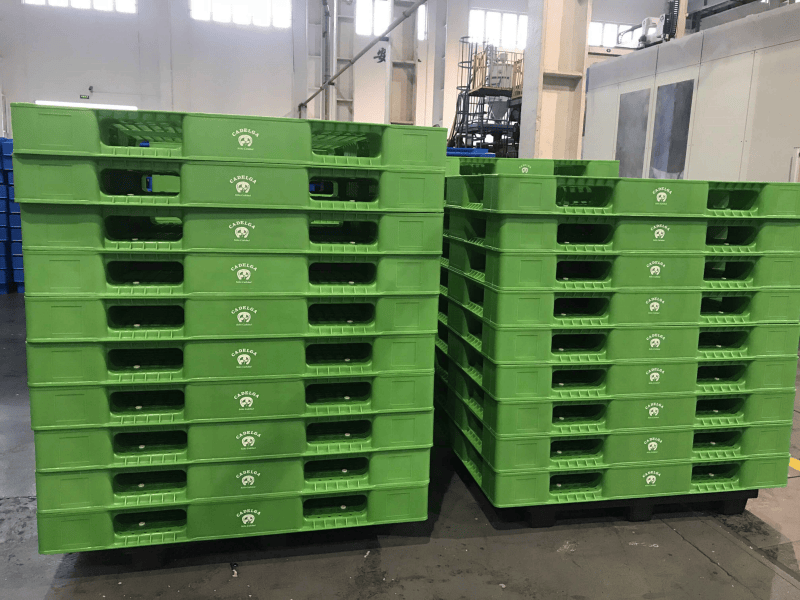
If you are limited on storage space or need to manage return shipments, nestable plastic pallets can be an ideal choice. Nestability means that pallets can be stacked inside each other when not in use, significantly saving space. This feature is especially useful in industries with limited warehouse space or when pallets need to be returned empty.
For businesses that need to store pallets for an extended period, nestable pallets offer excellent space-saving benefits without compromising on structural integrity.
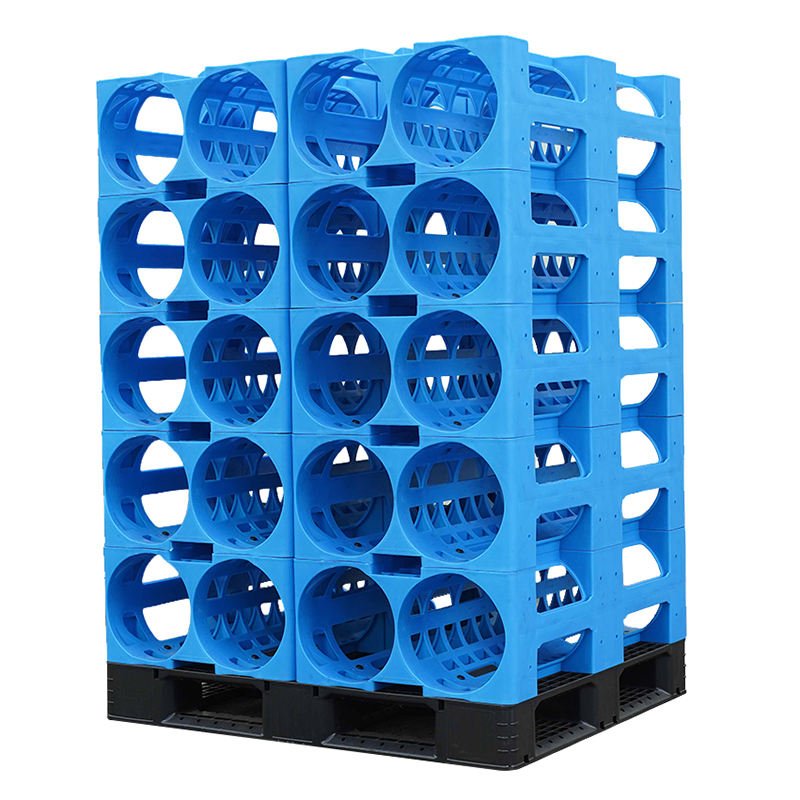
On the other hand, stackable pallets are more suitable for businesses requiring stacking to optimize storage in racks. It is essential to understand the space you need for both storing empty pallets and storing goods, and choose the most suitable option accordingly.
- Hygiene and Cleanliness
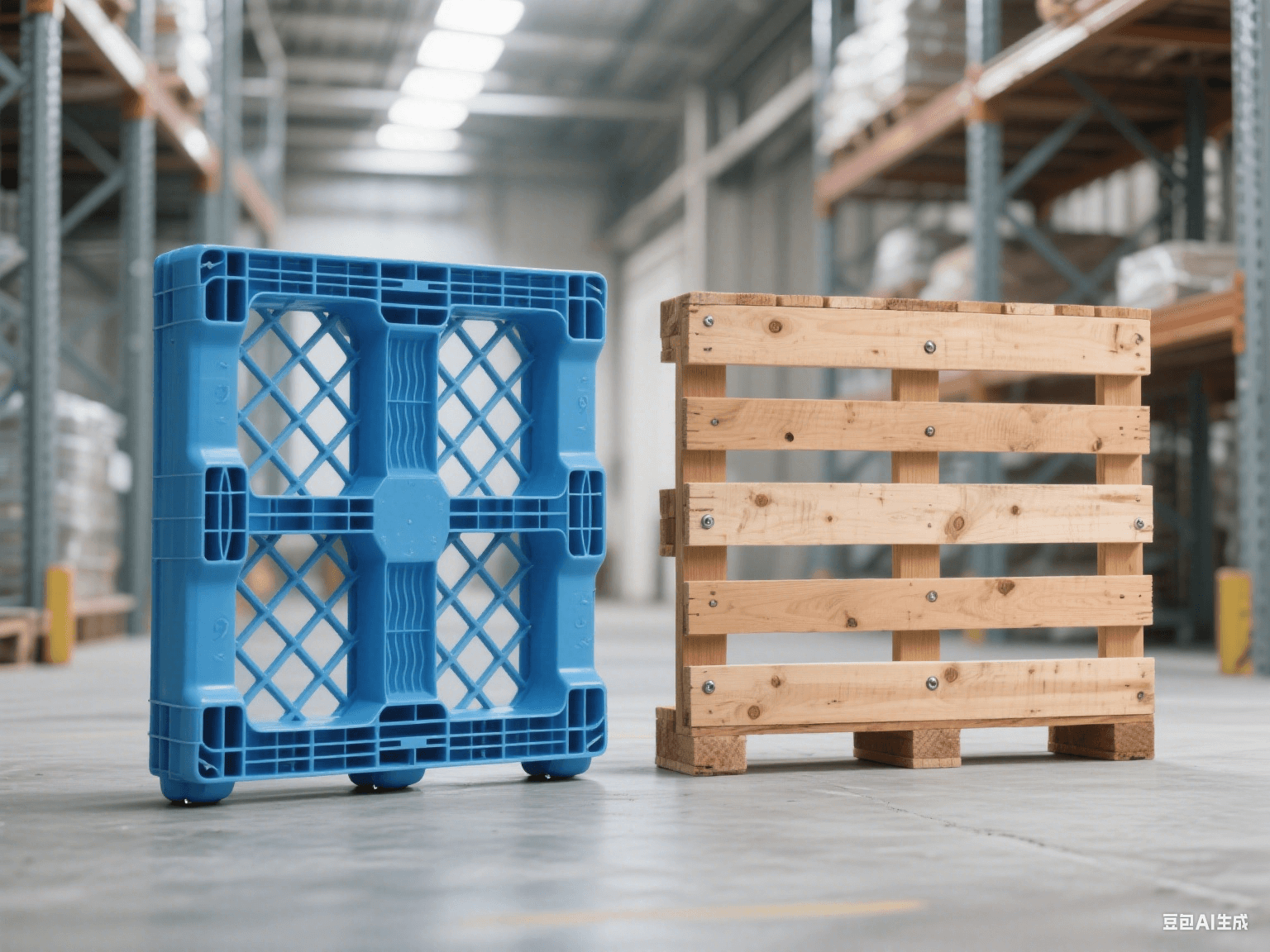
Hygiene is a significant factor for industries such as food, pharmaceuticals, and healthcare, where cleanliness is paramount. Plastic pallets offer a clear advantage over wood pallets in this regard. Plastic pallets are non-porous, do not absorb moisture, and are much easier to clean. Unlike wooden pallets, which can harbor bacteria, pests, and mold, plastic pallets provide a more hygienic alternative.
For stringent hygiene requirements, such as in cleanroom environments, specialized closed-deck plastic pallets are available. These pallets feature smooth, sealed surfaces that eliminate crevices where dirt or moisture can accumulate, setting a new standard for cleanliness.
- Cost Considerations
When choosing a plastic pallet, the cost is an important factor to consider. The price can vary significantly depending on the size, material, quality, and properties of the pallet. While plastic pallets often have a higher initial cost compared to wood pallets, they tend to last longer and require less maintenance, offering a better return on investment over time.
Plastic pallets are more durable and resistant to wear and tear, meaning you won’t have to replace them as frequently as wooden pallets. Over the long term, the savings in maintenance, repair, and replacement costs can outweigh the initial price difference.
Moreover, plastic pallets can help reduce other operational costs, such as those associated with damaged goods, damaged pallets, or disposal costs for broken pallets.
- Environmental Friendliness
Sustainability is becoming increasingly important for businesses around the world. If your company is looking to improve its environmental footprint, plastic pallets can be an excellent option. Many plastic pallets, such as Q-Pall pallets, are made from 99% recycled plastic and are 100% recyclable at the end of their life cycle.
Choosing plastic pallets made from recycled materials not only supports sustainability but also helps reduce waste and the overall carbon footprint of your business. This aligns with the growing demand for businesses to adopt more eco-friendly practices, contributing to a more sustainable future.
- Conclusion
Choosing the right plastic pallet for your business requires careful consideration of several factors, including weight capacity, dimensions, material, nestability, hygiene, cost, and environmental impact. By assessing these factors, you can select the best plastic pallet that meets your specific operational needs while also supporting your sustainability goals.
A well-chosen plastic pallet can optimize your supply chain, improve efficiency, and help reduce costs. Whether you are looking for pallets for transport, storage, or pooling, understanding the unique benefits of plastic pallets will ensure you make an informed decision that supports the long-term success of your business.
If you need help choosing the appropriate plastic pallet for your business, don’t hesitate to reach out to us. Our specialists are ready to guide you through the selection process and ensure you make the right choice for your needs.
By considering all these factors, you will not only optimize your logistics but also contribute to a more sustainable and cost-effective future for your business.