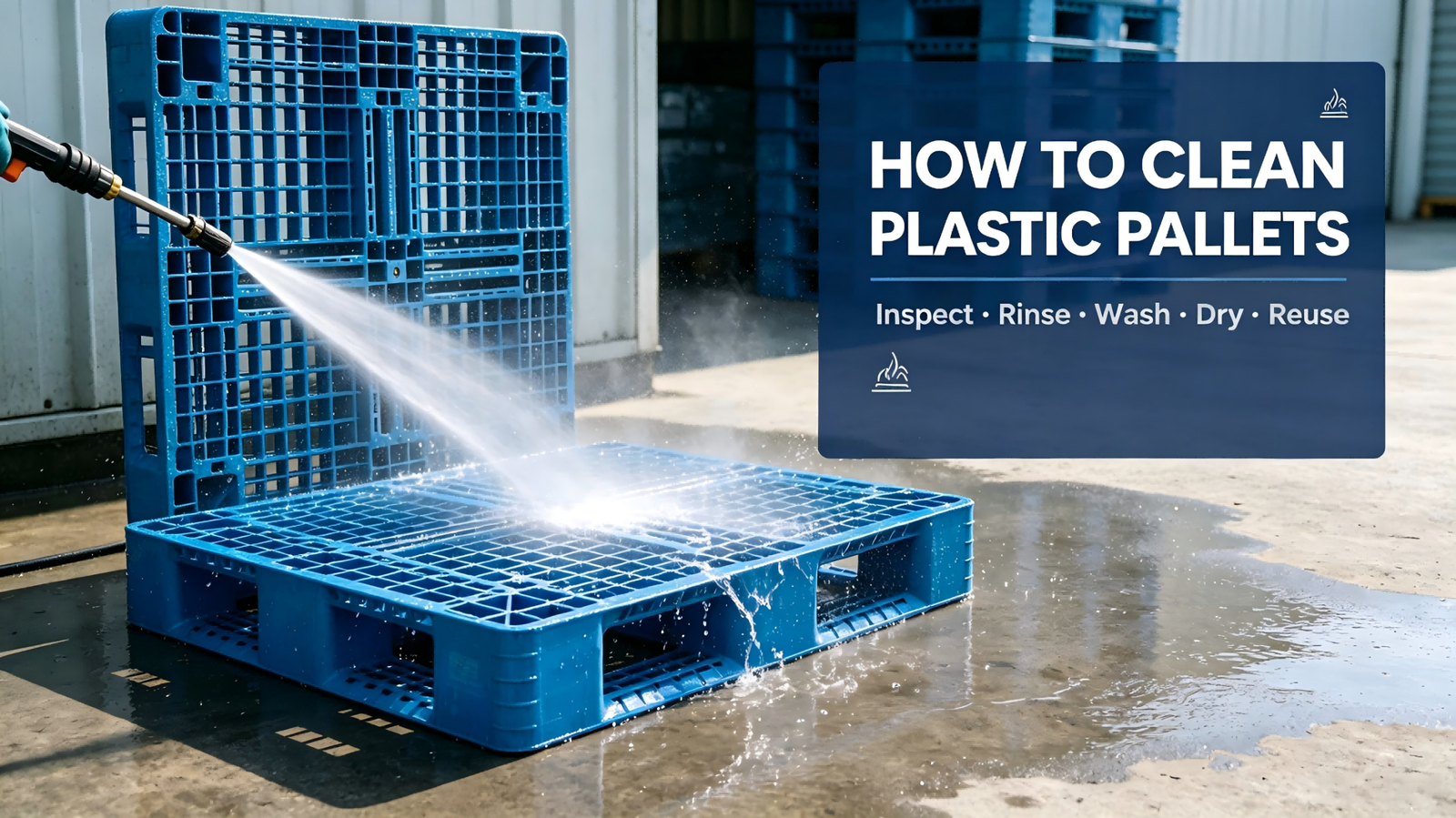
Dirty plastic pallets can create hygiene risks, product contamination concerns, and unnecessary maintenance problems. Knowing the correct cleaning process helps keep reusable pallets safe and efficient.
Plastic pallets can be cleaned by inspecting the pallet, removing loose debris, rinsing the surface, applying a suitable cleaning solution, washing with manual tools or pressure equipment, then drying and inspecting before reuse.
The best cleaning method depends on how the pallet is used, what type of contamination exists, and what hygiene requirements the application requires. A pallet used for general warehouse handling may only need basic cleaning, while food, beverage, seafood, or pharmaceutical applications usually require more controlled procedures.
Why Do Plastic Pallets Need to Be Cleaned?
Reusable plastic pallets go through many handling cycles, which means they can collect dust, residue, moisture, and other contamination over time. Regular cleaning is an important part of pallet management, not just a way to improve appearance.
Plastic pallets are easier to clean than many traditional pallet materials because they do not absorb moisture in the same way as wood. However, being washable does not mean they are automatically suitable for every application without proper cleaning. For food, beverage, and pharmaceutical operations, companies usually consider hygienic plastic pallets designed for cleaner handling environments.
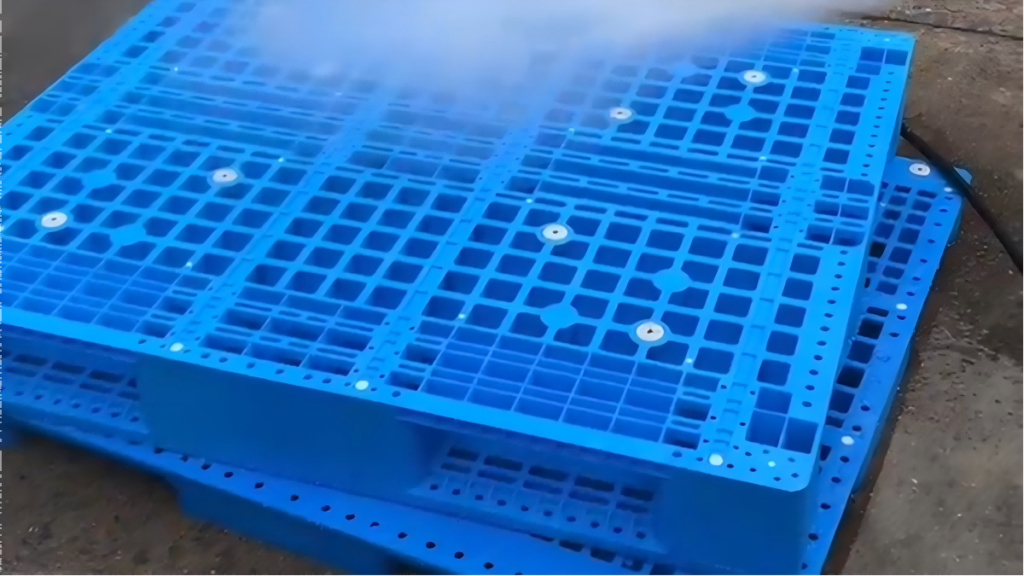
From my experience, buyers often focus only on whether a pallet looks dirty. In practice, cleaning decisions should be based on the application risk level. A pallet carrying packaged industrial products may have different cleaning requirements compared with a pallet used in food processing or temperature-controlled environments.
Regular cleaning helps companies:
- Maintain cleaner handling conditions
- Reduce product residue buildup
- Improve pallet reuse efficiency
- Support better warehouse organization
- Identify damaged pallets earlier
Cleaning is also connected with pallet inspection. When pallets are washed, operators have an opportunity to check for cracks, broken feet, deformation, or other damage that could affect safe handling.
A common mistake is treating cleaning as a one-time activity. For reusable pallet systems, cleaning should be considered part of the pallet lifecycle. The right cleaning frequency depends on product type, transport conditions, and operational requirements.
How to Wash Plastic Pallets Step by Step
The correct plastic pallet washing process should remove contamination without damaging the pallet structure. A simple and consistent cleaning procedure improves efficiency and helps prepare pallets for the next handling cycle.
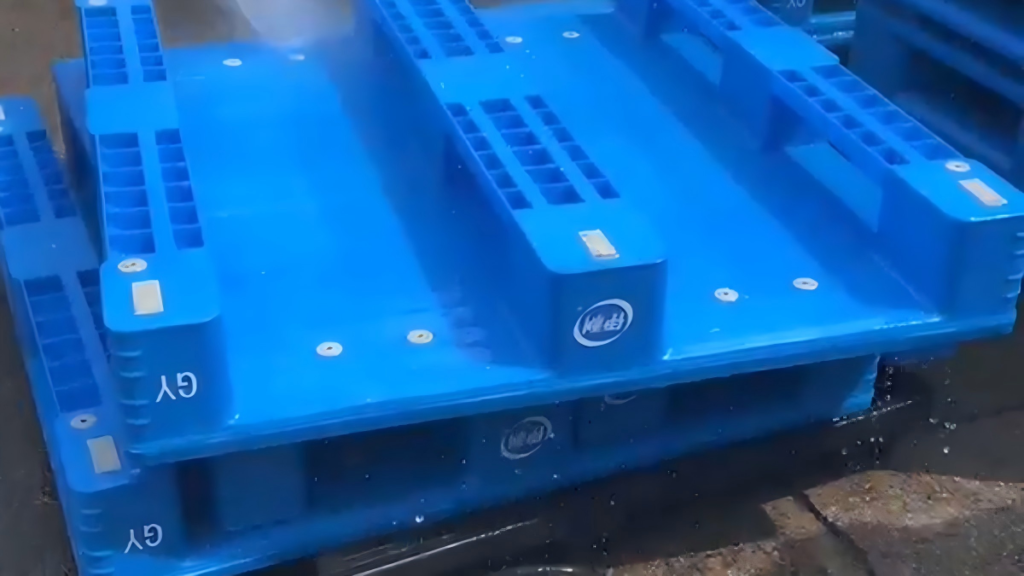
A practical cleaning process normally includes five steps: inspection, debris removal, rinsing, cleaning, and drying. The exact method may change depending on the application and contamination level.
Step 1: Inspect the Plastic Pallet Before Cleaning
Before washing, check the pallet condition first. Cleaning a damaged pallet does not solve structural problems, and damaged pallets may need to be removed from service.
I usually recommend checking:
- Cracks in the pallet deck
- Broken feet or runners
- Visible deformation
- Foreign materials attached to the pallet
- Labels or packaging residue
This step is especially important in reusable pallet pools because washing can hide problems if operators only focus on surface cleanliness.
Inspection also helps companies separate pallets that need cleaning from pallets that may no longer be suitable for operation.
Step 2: Remove Loose Dirt and Pre-Rinse the Pallet
The first washing stage is removing loose contamination before applying cleaning products.
This can include:
- Dust
- Loose particles
- Packaging materials
- Surface debris
Pre-rinsing helps reduce the amount of detergent required because loose contamination is removed before deeper cleaning begins.
For larger pallet operations, water rinsing or spray systems can improve efficiency. For smaller operations, manual rinsing may be enough.
I often see buyers skip this step and apply detergent directly to a dirty pallet. This usually makes cleaning less efficient because the cleaning solution has to work through loose debris first.
Step 3: Apply the Right Cleaning Solution
The cleaning solution should match the type of contamination and the application requirements.
For general warehouse cleaning, a mild detergent may be sufficient. For oil or grease contamination, a suitable degreasing solution may be needed.
When selecting a cleaner, I would normally check:
- Whether it is compatible with plastic surfaces
- Whether it can remove the specific contamination
- Whether it meets the requirements of the application environment
Stronger chemicals do not always mean better cleaning results. An unsuitable chemical may create unnecessary risks, especially when pallets are used in hygiene-sensitive industries.
Food-related or controlled environments may require cleaning products selected according to the required hygiene procedures.
Step 4: Scrub or Pressure Wash the Plastic Pallet
The washing method depends mainly on pallet quantity, contamination level, and available equipment.
| Method | Suitable For | Advantages | Limitations |
| Manual cleaning | Small operations | Low equipment requirement | More labor intensive |
| Pressure washing | Heavy contamination | Faster cleaning efficiency | Requires proper control |
| Automated washing | Large reusable pallet systems | Consistent cleaning process | Higher equipment investment |
Manual cleaning is practical when pallet quantities are limited. It allows operators to focus on specific dirty areas but requires more labor.
Pressure washing is commonly used for removing heavier contamination such as mud, dirt, and residue. However, the pressure setting should match the pallet design and cleaning requirement. Excessive pressure is unnecessary and may affect certain pallet surfaces.
For companies managing large reusable pallet pools, automated washing systems may provide more consistent results.
Step 5: Rinse, Dry, and Inspect Before Reuse
After washing, pallets should be thoroughly rinsed and dried before returning to operation.
Important steps include:
- Removing remaining cleaning solution
- Allowing moisture to drain or evaporate
- Checking overall cleanliness
- Confirming pallet condition before reuse
A washed pallet is not ready simply because the surface looks clean. Remaining moisture or cleaning residue may create problems in certain applications.
Drying is especially important for industries where hygiene control matters. Proper drying also makes it easier for operators to identify remaining contamination or damage.
Can You Pressure Wash Plastic Pallets?
Pressure washing is a common method for cleaning industrial plastic pallets, especially when pallets have heavy dirt or repeated-use contamination.
Most industrial plastic pallets can be pressure washed when the correct cleaning method is used. However, pressure, water temperature, and cleaning chemicals should match the pallet design and contamination type.
Pressure washing is useful for removing:
- Dirt
- Mud
- Oil residue
- Surface contamination
However, higher pressure does not always produce better results. I recommend controlling the cleaning conditions instead of simply increasing pressure.
Before pressure washing, consider:
- Pallet structure and surface design
- Type of contamination
- Required cleaning standard
- Drying conditions after washing
For small quantities, manual cleaning may be more practical. For large pallet circulation systems, pressure washing or automated washing equipment can improve efficiency.
The goal is not just to remove visible dirt. The goal is to create a repeatable cleaning process that supports safe pallet reuse.
How Pallet Design Affects Cleaning Performance
Pallet design has a direct impact on cleaning efficiency. Different deck structures handle dirt, water flow, and drying differently.
A pallet that is easy to wash can reduce labor requirements and simplify maintenance, especially in industries with frequent cleaning cycles.
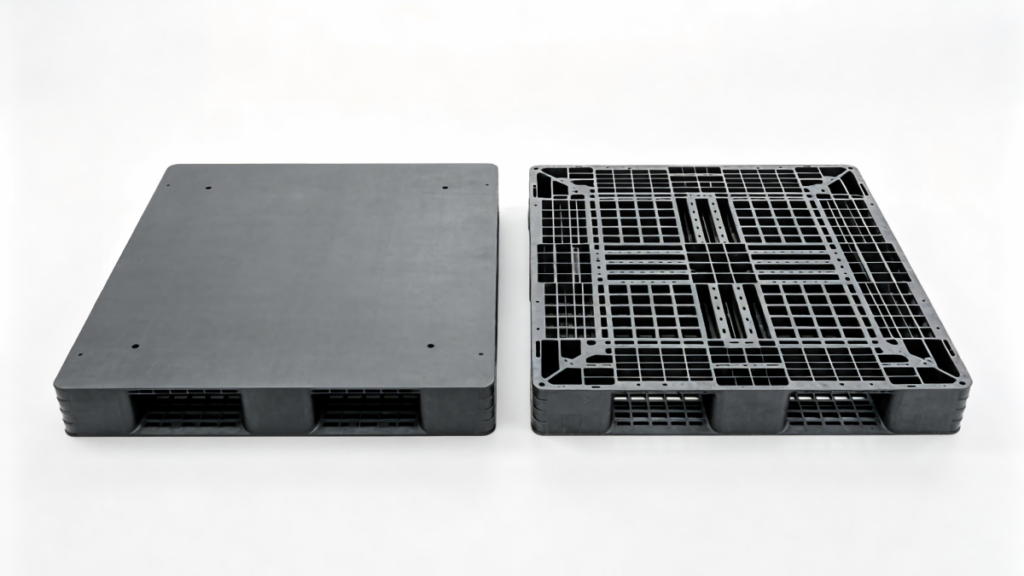
When selecting plastic pallets, I would normally consider both operational performance and cleaning requirements.
Closed Deck Plastic Pallets
Closed deck pallets have a more continuous surface. For applications requiring frequent washing and controlled handling conditions, closed deck designs are often preferred. A closed deck hygienic plastic pallet can provide a smoother surface that is easier to clean and maintain.
Advantages include:
- Smooth surfaces that are easier to wipe and wash
- Fewer open areas where contamination can collect
- Better suitability for applications requiring cleaner handling conditions
However, closed deck designs still require proper drying because water can remain on the surface after washing.
Open Grid Deck Plastic Pallets
Grid deck pallets have openings that allow better airflow and drainage.
Advantages include:
- Faster water drainage
- Reduced liquid accumulation
- Suitable for applications where drainage is important
The limitation is that dirt may collect in more areas, and detailed manual cleaning may require more attention.
| Design | Cleaning Advantages | Limitations |
| Closed deck | Easier surface cleaning | Requires attention to drying |
| Grid deck | Better drainage | More detailed cleaning may be needed |
The best choice depends on how the pallet will be used, cleaned, and maintained. For special applications, companies can also consider custom plastic pallets designed around specific handling, washing, and operational requirements.
How Often Should Plastic Pallets Be Cleaned?
There is no universal cleaning schedule for every plastic pallet. Cleaning frequency depends on the application, contamination risk, and operating environment.
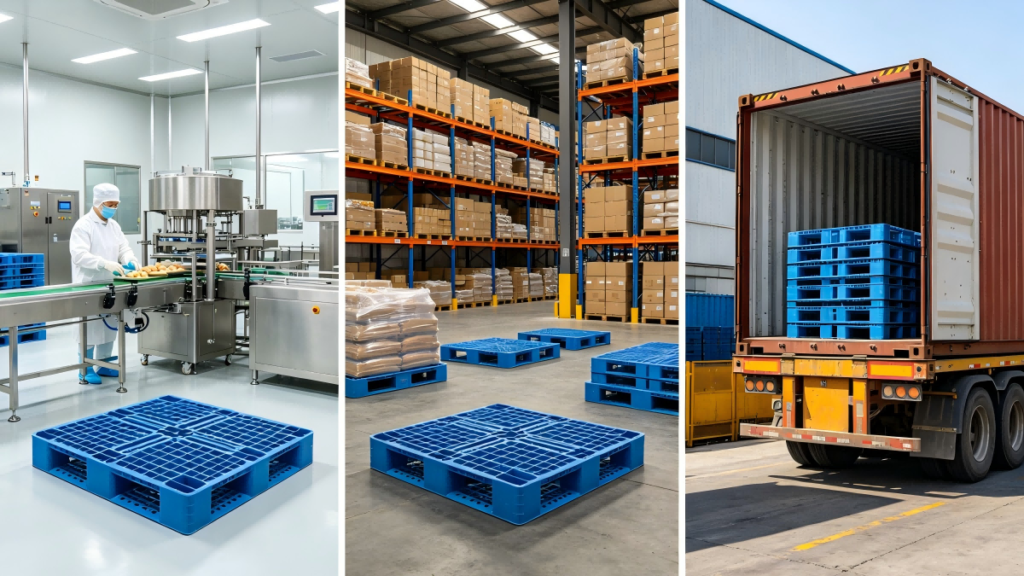
I usually recommend that companies define cleaning requirements based on actual operating conditions rather than using a fixed schedule for all pallets.
Important factors include:
- Product type
- Industry requirements
- Transport cycles
- Exposure to contamination
- Storage environment
| Application | Typical Cleaning Consideration |
| Export shipping | Focus on visible contamination and reuse condition |
| Food and beverage | Higher hygiene requirements |
| Seafood | Frequent cleaning due to moisture and organic residue |
| Pharmaceutical | Controlled cleaning procedures |
For example, a pallet used in general warehouse storage may only require cleaning when contamination appears. A pallet used in food-related operations may require more controlled cleaning procedures.
The right approach is to match cleaning frequency with operational risk.
Plastic Pallet Cleaning Requirements for Different Applications
Different industries have different expectations for pallet cleanliness. A cleaning method suitable for one application may not be enough for another.
From a practical perspective, I would first understand what the pallet carries, where it operates, and how often it is reused.
Food and Beverage Pallets
Food and beverage applications usually require stronger hygiene control.
Important considerations include:
- Easy-to-clean surfaces
- Proper cleaning procedures
- Control of residue and contamination
Pallet design and cleaning consistency are both important because pallets may repeatedly contact food-related environments. Many companies choose hygienic plastic pallets with easy-to-clean surfaces to support repeated washing cycles.
Seafood and Agriculture Pallets
Seafood and agricultural applications often involve moisture and organic residue.
Cleaning considerations include:
- Removing organic contamination
- Managing odor risks
- Ensuring pallets can be cleaned efficiently after use
Moisture exposure makes drying an important part of the process.
Pharmaceutical and Medical Applications
Pharmaceutical applications typically require controlled cleaning processes.
Important factors include:
- Consistent cleaning procedures
- Clean operating environments
- Documentation requirements where applicable
The cleaning process should match the operational requirements of the facility.
Export and General Logistics Applications
For export and general logistics, cleaning usually focuses on:
- Removing visible contamination
- Maintaining acceptable handling conditions
- Preparing pallets for repeated use
The cleaning standard should match the actual transportation environment.
Common Mistakes When Cleaning Plastic Pallets
Understanding pallet selection, maintenance, and application requirements can help companies build a more efficient reusable pallet system.
One mistake I often see is assuming that plastic pallets are automatically hygienic because they are washable. Washability is an advantage, but cleaning performance also depends on pallet design, contamination type, and maintenance procedures.
Mistake 1: Assuming Every Plastic Pallet Is Automatically Hygienic
Plastic pallets can be cleaned, but they still require proper washing and inspection.
A clean-looking pallet may still have hidden contamination or damage.
Mistake 2: Choosing Cleaning Chemicals Without Checking Compatibility
Stronger chemicals are not always better.
The cleaning solution should match:
- The contamination type
- The plastic surface
- The application requirement
Mistake 3: Ignoring Drying After Washing
Moisture left after cleaning can create additional handling problems.
Drying should be considered part of the cleaning process, not an optional step.
Mistake 4: Cleaning Severely Contaminated Pallets Instead of Replacing Them
Some contamination or damage cannot be solved through washing.
When a pallet has serious structural issues or unsuitable contamination, replacement may be the safer option.
How to Maintain Plastic Pallets After Cleaning
Cleaning is only one part of maintaining reusable plastic pallets. Proper handling after washing helps improve operational reliability.
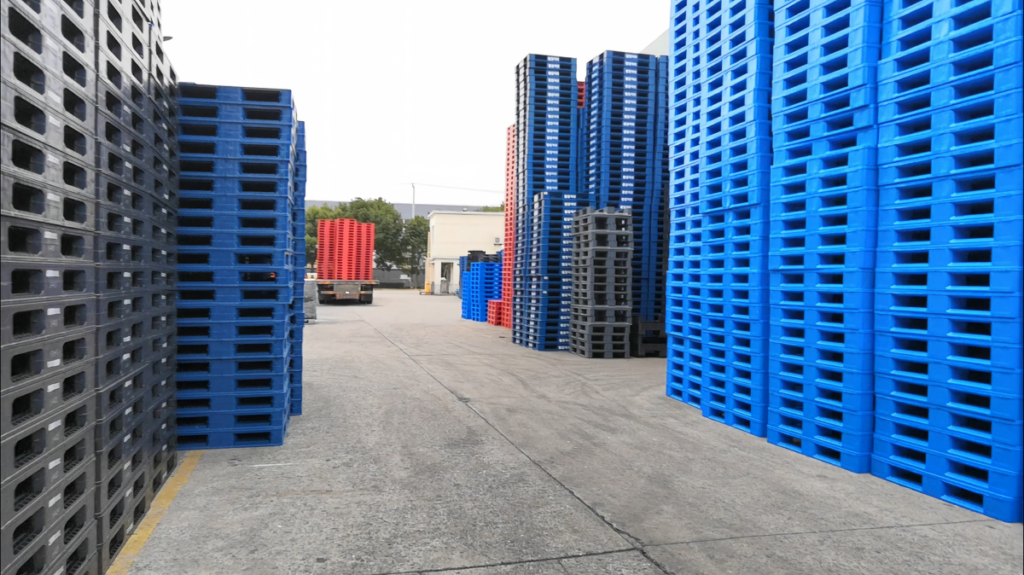
After cleaning, companies should continue monitoring pallet condition.
Recommended practices include:
- Store pallets properly
- Inspect pallets regularly
- Remove damaged pallets from circulation
- Track reusable pallet condition over time
I usually recommend combining cleaning records with inspection practices for companies operating large pallet pools. This helps identify recurring contamination problems and prevents damaged pallets from continuing through the supply chain.
A good maintenance process reduces unexpected handling issues and supports better pallet utilization.
Frequently Asked Questions
Can plastic pallets be washed with water?
Yes. Most industrial plastic pallets can be washed with water when the cleaning method matches the pallet application and contamination level.
What is the best cleaner for plastic pallets?
The best cleaner depends on the contamination type and application requirements. Mild detergents may work for general cleaning, while specific cleaning solutions may be needed for oil or hygiene-sensitive applications.
How do you clean a used plastic pallet?
A practical process is:
- Inspect the pallet
- Remove debris
- Rinse the surface
- Apply suitable cleaning solution
- Wash the pallet
- Rinse and dry
- Inspect before reuse
Can I pressure wash plastic pallets?
Yes. Pressure washing is commonly used for plastic pallets, but pressure settings and cleaning methods should match the pallet design and contamination level.
When should a plastic pallet be replaced instead of cleaned?
A pallet should be replaced when it has serious structural damage or contamination that cannot be safely removed through cleaning.
Conclusion
Cleaning plastic pallets requires the right method, suitable equipment, and proper inspection. Match the cleaning process to the application, pallet design, and reuse requirements.
Choosing the right pallet supplier is also important because pallet material, structure, and manufacturing quality affect long-term cleaning performance and reuse efficiency.
My Role
About Euro Plastic Pallet
PEuro Plastic Pallet is a plastic pallet manufacturer with over 20 years of production experience. We are headquartered in China. Moreover, we provide high-quality, customized plastic pallet solutions. We serve brands, wholesalers, and distributors.
Additionally, with over 60 injection molding/rotational molding machines, we ensure quality. Each machine has quality control personnel with over 5 years of experience. Therefore, we ensure stable quality.
Services
- Products: One-stop plastic pallet solutions
- Customization: Custom colors, custom logos, custom molds
- International Certifications: ISO 9001, CE, REACH, ROHS, SGS, FDA, GRS
Quality Assurance
- Raw Material Testing: Compliant with RoHS and REACH standards, strength and performance meet international requirements
- Precision Manufacturing: Automated injection molding, precision assembly, accuracy ±0.1mm
- Complete and Sampling Inspection: 100% factory inspection, ISO 9001 sampling, ensuring high standards
- Certifications: Passed ISO 9001, CE, REACH, ROHS, SGS, FDA standards
Production Capacity
- High-Quality Manufacturing: Over 60 injection molding/rotational molding machines, following ISO 9001
- High-End Customization: Providing customized solutions for global brands
- Flexible Solutions: Customized according to customer needs